When your car won’t start or lights dim: what to test first
Picture this: you turn the key, the starter grinds slowly, dashboard lights flicker, or the headlights look weak. Before you call a tow or replace parts at random, a few basic electrical checks will usually tell you whether the battery, charging system, or a simple fuse is the culprit. Start with the practical tests below so you troubleshoot confidently and safely.
Quick answer: the four core checks to run now
For most common electrical failures run these tests in order: battery resting voltage, battery load or cranking voltage, alternator charging voltage, and a visual fuse/connection inspection. Those four checks will identify around 80–90% of routine starting and accessory electrical problems.
How to perform the essential tests (what to measure and why)
You'll need a digital multimeter and basic safety gear. If you prefer a one-device option for batteries, a clamp battery tester is handy (product suggestion below).
1. Resting (open-circuit) battery voltage
What it tells you: the battery’s state of charge and whether it holds voltage when the vehicle is off.
- Set multimeter to DC volts (20 V range).
- With car off and after 10–15 minutes of rest, measure across the battery terminals: positive to positive, negative to negative.
- Interpretation: ~12.6 V = fully charged; 12.2–12.4 V = ~50–70%; <12.0 V = discharged or failing cell.
2. Cranking voltage (voltage under load)
What it tells you: whether the battery can deliver current to the starter.
- Have a helper crank the engine while you monitor voltage across the battery.
- Cranking voltage should stay above about 9.6 V on most 12 V systems. If it drops well below this, the battery is weak even if resting voltage looked acceptable.
3. Alternator/charging system voltage
What it tells you: whether the alternator is recharging the battery and powering electrical systems while running.
- Start the engine and measure voltage at the battery: normal charging voltage is roughly 13.8–14.6 V.
- If the voltage is below ~13.5 V the alternator may not be charging properly. Above ~15 V indicates an overcharging regulator problem.
4. Basic continuity and fuse checks
What it tells you: blown fuses, bad grounds, or an open circuit.
- Visually inspect fuse box and replace blown fuses; use the continuity setting on your meter to check fuses and suspect wiring paths.
- Check key ground points and battery cable condition—corroded clamps and loose ground straps cause intermittent symptoms.

Tools and safety: what you really need
Essentials: a reliable digital multimeter, insulated gloves, safety glasses, and basic hand tools to access battery and fuses. For battery-specific work a clamp-style battery tester or a handheld load tester simplifies load and health checks.
Safety notes: never short battery terminals; remove jewelry; work outdoors or in well-ventilated areas (batteries can emit hydrogen). Disconnect the negative terminal when doing extended electrical repairs, but remember some vehicles lose memory when disconnected.
When to use more advanced tests
Move beyond the basics if symptoms persist after the four core checks:
- Voltage drop tests: to find high-resistance connections in starter or charging circuits. Measure voltage across suspect terminals while the circuit is loaded; anything over ~0.2–0.5 V suggests a poor connection.
- Parasitic draw test: if the battery drains overnight, use ammeter mode (or clamp meter) to measure current draw with everything off; typical draw should be under 50 mA on newer cars, sometimes up to 100–200 mA with retained accessory power.
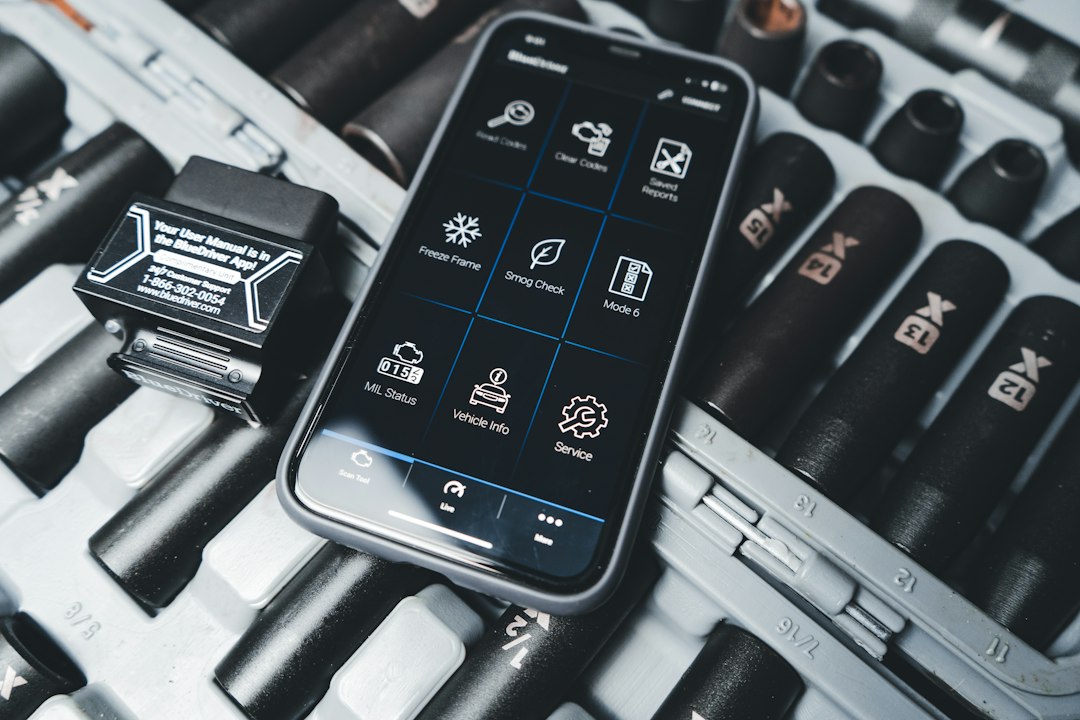
- OBD2 electrical diagnostics: some current/voltage faults set codes (e.g., U-codes for network errors). Use a scanner to capture related codes and live-data voltage readings.
Choosing a tester: one product that helps beginners
If you want a single, beginner-friendly battery and circuit tool, a clamp-style electrical system tester is the most practical. It measures resting voltage, cranking behavior, and can read charging current without disconnecting cables—useful for field troubleshooting.
Common misdiagnoses and easy mistakes to avoid
- Replacing a battery when the alternator isn't charging: battery will fail again quickly.
- Assuming a bad starter solely from a single slow crank test—low cranking voltage can be the real cause.
- Overlooking ground and chassis connections; corrosion or paint under a ground strap creates high resistance.
- Using an analog or cheap meter with poor accuracy for cranking tests; digital meters with low impedance are preferable.
Repair decisions: when you can fix it and when to see a pro
Simple fixes: battery replacement, fuse swaps, cleaning terminals, tightening ground straps, and replacing worn belts that affect the alternator are all DIY-friendly if you have basic tools. More complex issues—intermittent shorts, parasitic draw rooted in the body control module, or alternator internal regulator failures—are usually faster and safer for a shop with specialized testers.
Next steps after testing
Record your readings: resting voltage, cranking voltage, and charging voltage. If one of those is outside the normal ranges noted above, prioritize replacing or repairing that component. If all readings are normal but symptoms persist, track for intermittent behavior and consider an OBD2 scan for electrical network codes.
- Measure battery resting voltage after 10–15 minutes of vehicle rest.
- Check cranking voltage while an assistant turns the key.
- Confirm alternator charging voltage with engine running and accessories on.
- Visually inspect and continuity-check fuses and ground connections.
- Run a parasitic draw or voltage drop test if symptoms are intermittent.
- Document readings and, if unsure, bring results to a technician.
Automotive electrical testing begins with simple voltage checks that quickly point to battery, starter, alternator, or connection problems. A reliable multimeter and one clamp-style tester cover most needs; escalate to specialized tests or a technician only when initial readings are inconclusive.
How long should a healthy car battery hold charge when the car is off?
A healthy, fully charged battery will read about 12.6 V after resting and will hold that for days if there’s no parasitic draw; significant drops overnight indicate a problem.
What voltage indicates a bad alternator?
With the engine running, voltages consistently below ~13.5 V suggest undercharging; above ~15 V suggests overcharging—both warrant alternator or regulator inspection.
Can a bad ground cause dim headlights?
Yes—poor ground connections increase resistance and reduce available voltage to lights and starters, causing dimming and slow cranking.
Is a multimeter enough or do I need a scanner?
A multimeter covers most electrical tests; a scanner is useful when you need to read fault codes, module voltages, or live sensor data tied to electrical circuits.
Should I disconnect the battery to test electrical components?
Disconnecting is fine for many repairs but avoid it when you need to test charging behavior or parasitic draws; always follow vehicle-specific procedures to avoid losing adaptive settings.