What truly matters — and what you can ignore
If your scan tool returned an EVAP system code, the most important outcomes are: confirm it’s not a loose gas cap, identify whether the fault is a small leak, large leak, or component failure, and prioritize repairs that stop fuel vapor loss. You can safely ignore intermittent EVAP codes that clear after tightening the gas cap — but persistent codes or those that return after a drive cycle need systematic diagnosis.
End result first: how to know you fixed it
Success means the check engine light stays off for three consecutive drive cycles and live data shows normal EVAP values (no continuous purge duty anomalies or pressure faults). If you have access to a full-system scanner, the EVAP monitor completes its readiness test; otherwise, a stable absence of the fault code with normal operation is a practical confirmation.
Quick overview of the process
The fastest, most reliable workflow: read the code → confirm vehicle/recall specifics → perform simple visual checks → test gas cap and purge/vent valves → pressure or smoke test to locate leaks → repair and re-scan. Follow this order to save time and avoid needless parts replacement.
1. Read and interpret the exact EVAP code
Scan for stored and pending codes and write down the exact DTC (for example P0455, P0442, P0446). EVAP codes fall into a few practical buckets:
- P0440/P0455 — large leak or gross system failure
- P0442 — small leak (often hose or loose cap)
- P0441/P0443 — purge control circuit/valve issues
- P0446 — vent control circuit or vent valve
Look up model-specific notes — some manufacturers have common recalls or TSBs for EVAP components.
2. Start with the simplest checks
Before any tools, do these quick verifications:
- Gas cap: inspect for cracked threads, broken seal, corrosion; tighten to click and re-scan after one drive cycle.
- Fuel filler neck and door: check for obstructions or dents that prevent a seal.
- Hoses and clamps: visually trace EVAP hoses from the fuel tank to the charcoal canister and engine. Look for brittle rubber, disconnected lines, or cut wires near solenoids.
- Charcoal canister: inspect for physical damage or fuel saturation after a failed fuel system repair.
3. Test purge and vent valves
Purge and vent solenoids are frequent failure points. You can test them without removing the tank:
- Functional test: with the engine off, disconnect the purge valve and apply 12V briefly to the valve (or use the scan tool to actuate it). You should hear or feel it click and see the valve open/close.
- Vacuum test: apply a handheld vacuum to the purge valve — it should hold vacuum when closed and release when the valve is energized.
- Electrical test: check continuity and reference voltage at the connector; compare to the vehicle’s service manual values.
4. Use scanner data to narrow the fault
Live data makes EVAP troubleshooting efficient. Check these data points if your scanner supports them:
- Purge valve commanded vs. actual duty — stuck-open purge shows continuous flow and lean trim effects.
- Tank pressure sensor (if equipped) — rapid pressure changes indicate large leaks.
- EVAP monitor status and readiness — helps confirm the system has run self-tests.
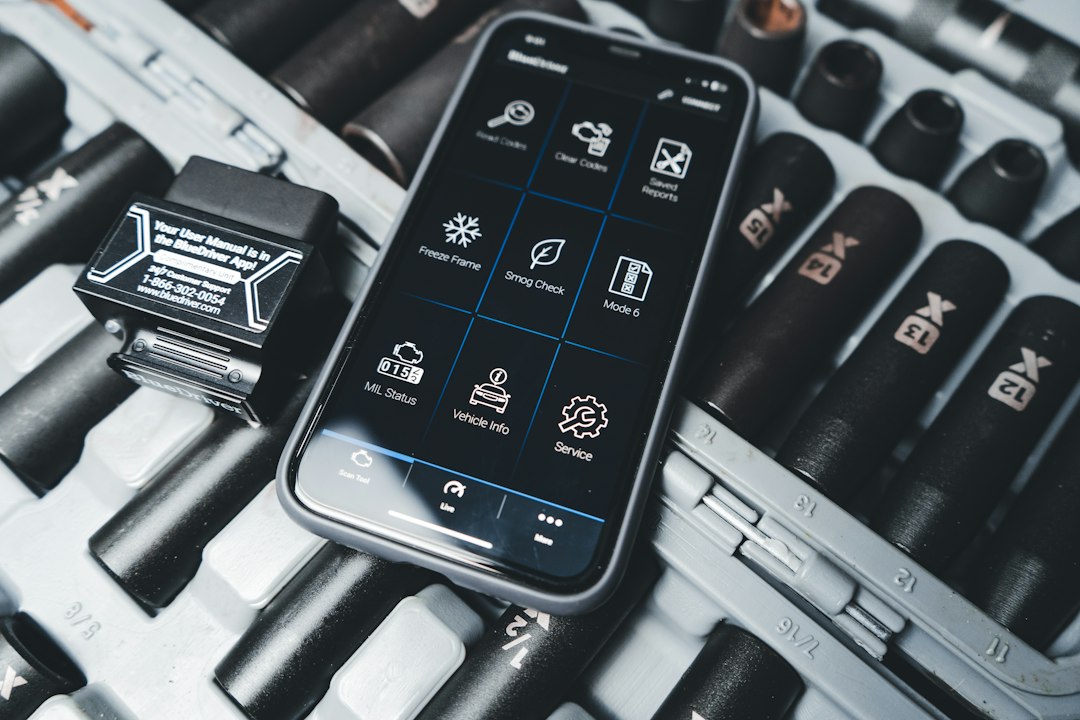
If you don’t have live data, an inexpensive OBD2 code reader that can command actuators is highly useful; the ANCEL AD530 (rank #1) is a practical plug-and-play option for at-home diagnostics.
5. Pressure or smoke test to find hidden leaks
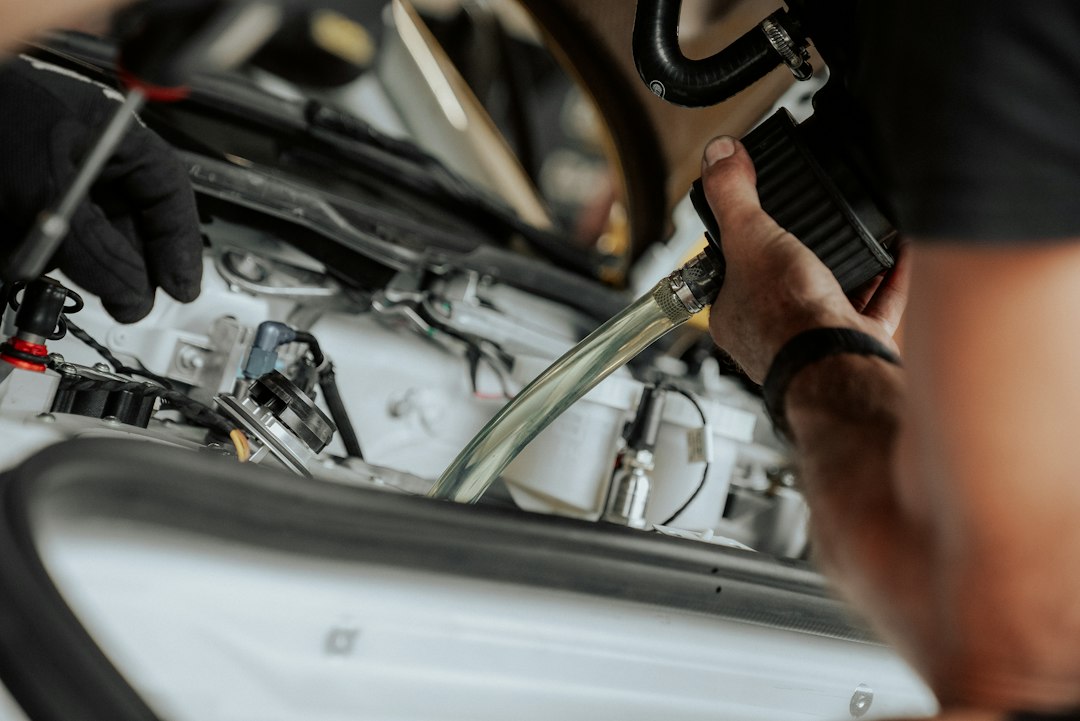
If visual and basic tests don’t reveal the issue, introduce a controlled positive pressure (usually a few inches of water) or smoke into the EVAP system at a convenient service port or the purge valve port when closed. Watch for escaping smoke at hose connections, the filler neck, charcoal canister seals, or any perforated lines under the vehicle.
Guidance:
- Use a low-pressure smoke machine or hand pump; do not over-pressurize or you may damage plastic fittings.
- Prioritize areas where hoses pass through body panels and around the charcoal canister, since abrasion or animal damage is common there.

6. Confirm component failures before replacement
Resist replacing multiple parts at once. Replace the least expensive, most likely item first (gas cap, a cracked hose, a cheap valve) and retest. If an electrical valve fails bench and connector tests, replacing it is reasonable. If the charcoal canister is saturated with fuel, replacement is required; look for strong fuel odors and canister damage.
Troubleshooting variations and special cases
Diesel engines and hybrid systems have different EVAP setups; check manufacturer procedures. On some late-model cars the EVAP system uses a pressure sensor or pump module — a failing sensor can mimic a leak. If smoke testing repeatedly shows no leak yet the code persists, suspect a faulty sensor or intermittent wiring issue; use back-probing and wiggle testing to find intermittent faults.
- Read and record exact EVAP DTCs and pending codes.
- Inspect and tighten/replace the gas cap first.
- Visually check EVAP hoses, clamps and canister for damage.
- Test purge and vent solenoids electrically and with vacuum.
- Run a pressure or smoke test to locate hidden leaks.
- Replace cheapest likely part first and verify with a re-scan.
EVAP faults are often straightforward: begin with simple checks, use a scanner for live data, confirm failures with tests, and prioritize inexpensive fixes. A methodical approach prevents unnecessary parts swaps and restores EVAP monitor readiness reliably.
Will tightening the gas cap clear the EVAP code?
Yes, if the code stems from a loose cap. Tighten until it clicks and drive the vehicle; the monitor must complete a few cycles to clear the code automatically.
Can a vacuum leak cause EVAP codes?
Only if it affects the EVAP plumbing. General intake vacuum leaks cause other codes; EVAP codes point to fuel-vapor containment issues.
Is a smoke test safe for all cars?
When performed at low pressure by a trained technician it’s safe; avoid over-pressurizing and follow manufacturer recommendations for access points.
When should I replace the charcoal canister?
Replace it if it’s physically damaged, fuel-saturated, or fails a pressure/smoke test around the canister body or seals.
Can I use a basic code reader for EVAP diagnostics?
A basic reader can show stored codes and reset them, but a scanner with live-data and actuator tests significantly speeds diagnosis.