Most owners assume the light simply means 'time to drive longer' — but that misses diagnostic nuance
If your diesel DPF warning light has come on, the immediate question is: is this a simple missed regeneration or a sensor/physical failure? The clearest short answer: use live diagnostic data (soot/ash load, DPF differential pressure, and regeneration status) to decide whether to keep driving, force a regen with a scanner, or call for repair. Below I explain what each key reading tells you and how to act on it.
What the diesel DPF warning light actually signals
The dashboard light is an umbrella symptom. It can mean one of several states depending on vehicle logic and manufacturer thresholds:
- Passive or scheduled regeneration failed to clear accumulated soot.
- Active (automatic) regeneration attempted but incomplete or interrupted.
- DPF pressure or temperature sensor readings are out of range (bad sensor or wiring).
- Excessive ash build-up or a severely clogged filter requiring replacement.
- Engine derate or limp mode pending if soot load keeps rising.
Because these possibilities carry different fixes, don’t assume the light alone tells you the course of action.
Key diagnostic readings to check first
When you connect a diagnostic scanner that supports diesel systems, look for these live data parameters in this order—their meanings are distinct and actionable.
- Soot load / soot mass (g): Direct estimate of how much particulate is trapped. If low-to-moderate, an active or forced regen should clear it. Very high soot mass suggests multiple failed regens or downstream failures; replacement may be needed when limits are exceeded.
- DPF differential pressure (ΔP): Higher ΔP indicates flow restriction. If ΔP is climbing while soot load is low, suspect sensor faults or exhaust leaks affecting readings; if both soot and ΔP are high, the filter is clogged.
- DPF inlet/outlet temperatures: Regeneration needs elevated temperatures; failure to reach or detect temps can mean injector/turbo problems or sensor issues preventing regen.
- Regeneration status and counters: See how many forced or active regens were attempted, plus any logged faults like “regen interrupted” or “heater element fault.”
- Related fault codes: P2463/P246D series and manufacturer-specific DPF codes usually accompany the light and narrow the root cause.

How to decide: drive, force regen, or repair?
Use the readings to guide each choice.
- Drive (allow automatic regen): Soot mass is low–moderate, ΔP normal, no persistent fault codes. Take a sustained highway drive (20–45 minutes at reasonable load) to allow passive/active regen.
- Force regeneration with a scanner: Soot mass moderate and ΔP elevated or regeneration requested in ECU. A capable heavy‑duty or truck scanner that supports forced regen will start and monitor the procedure safely. If you have a suitable scanner and no engine mechanical faults, force regen is usually the quickest fix.
- Repair first: If soot mass is very high, ΔP stays high after regen attempts, or codes point to sensors/injectors/turbocharger issues, stop attempting regens. Repeated forced regens risk overheating and can mask mechanical failures—inspect sensors, wiring, EGR and fueling before more attempts.
- Replace the DPF: When ash accumulation is beyond cleaning thresholds or after multiple unsuccessful regens and cleaning, replacement is the final option.
When and how to force a DPF regeneration safely
Forced regens are a valid tool but must be done with proper procedure:
- Confirm soot mass and that no underlying faults (fuel, turbo, EGR) would cause immediate re-clogging.
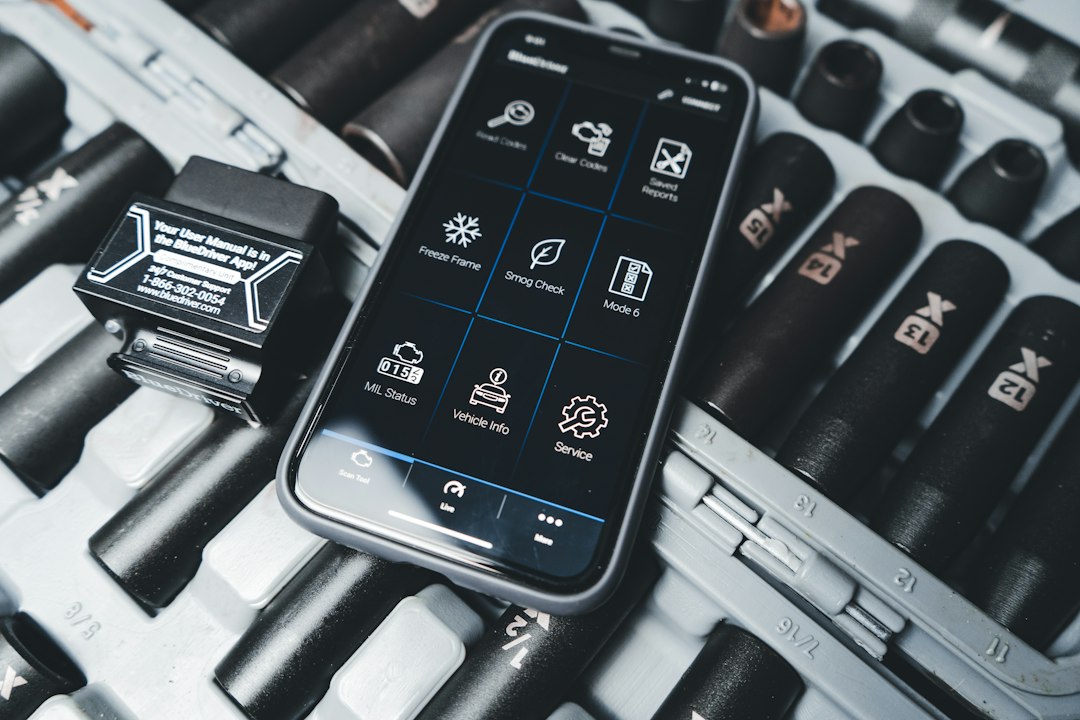
- Use a heavy-duty capable scanner that supports DPF forced regen and monitors inlet/outlet temps and ΔP during the procedure (see product recommendation below).
- Follow manufacturer preconditions: engine at operating temperature, fuel level adequate, and vehicle in neutral with parking brake engaged.
- Monitor the regen start, progress, and whether soot mass and ΔP fall afterward. If the regen aborts or values don’t improve, stop and diagnose further rather than repeating attempts.
Which scanner helps and when to call a shop
For passenger diesels a basic OBD2 reader with diesel support might show codes, but for meaningful DPF work you need a heavy-duty capable tool that reads soot mass, ΔP, and initiates forced regen. Our top local match is the ANCEL X7HD (ID 424) — it supports heavy-duty DPF functions, live data monitoring, and safe forced regeneration procedures. Use a pro shop if you lack the tool, or if diagnostics show turbo, injector, or excessive ash issues.
Sensors, wiring and false warnings: common pitfalls
False or intermittent DPF warnings are often due to sensor issues rather than the filter itself. Common traps:
- Dirty or failing differential pressure sensors or clogged hoses feeding them.
- Broken temperature probes giving incorrect regen control signals.
- Exhaust leaks between turbo and DPF altering flow and pressure readings.
- Aftermarket tuning or deleted sensors creating misleading data and masking real problems.
Always inspect connectors and wiring harnesses before deciding on a replacement DPF.
Practical choices by scenario
Short scenarios with recommended actions:

- Light soot, no codes: Drive at highway speed for 30–45 minutes; retest. If persistent, force regen.
- Moderate soot, regen requested: Force regen with a heavy-duty scanner and monitor ΔP/temp.
- High soot, regen failures: Stop forcing regens; inspect for mechanical faults and plan for DPF cleaning or replacement.
- Warning with odd sensor codes: Check sensor wiring, replace faulty sensors, then attempt regen.
Maintenance and prevention to avoid future lights
Good habits reduce DPF events: use correct oil and fuel, avoid excessive short urban trips where the exhaust never reaches regen temperatures, perform scheduled long drives under load periodically, and address engine performance faults promptly (smoking, low boost, rich fueling) that increase soot production.
- Read soot mass and DPF ΔP with a scanner before doing anything.
- Scan and note all DPF-related fault codes and regen counters.
- If forcing regen, use a heavy-duty scanner and monitor temperature/ΔP throughout.
- Inspect DPF sensors, hoses, and exhaust for leaks before replacing the filter.
- Address engine faults (injectors, turbo, EGR) that raise soot production first.
- Plan replacement if ash limits or repeated regen failures occur.
The DPF light is a signal, not a diagnosis: prioritize live soot mass and differential pressure readings to choose between continued driving, a forced regeneration, or repair/replacement. Use a heavy-duty scanner that supports forced regen and live monitoring, and fix upstream engine problems to prevent reinfection.
How long should a forced DPF regeneration take?
Typical forced regens last 20–60 minutes depending on soot load and vehicle; heavy loads or low temperatures can extend that time. Your scanner should show progress and completion.
Can I ignore the DPF light if the truck still runs fine?
No—ignoring it can lead to derate, higher repair costs, and eventual DPF damage; use diagnostics to confirm whether it's a simple regen or a larger problem.
Will cleaning the DPF restore it like new?
Thermal regens remove soot; professional flow/ash cleaning can restore some capacity, but ash accumulation is permanent and may eventually require replacement.
What if the soot mass drops but the light stays on?
Check fault codes and sensor readings—sometimes the ECU needs a cleared code or completed regeneration counter reset; a full diagnostic session can clear lingering alerts.
Is a passenger car OBD2 scanner enough for DPF work?
Most basic OBD2 tools only read generic codes; for safe forced regen and soot mass readings on diesels, use a heavy-duty scanner with DPF functions.